Descaling and anti-fouling treatment for stainless steel heat exchangers
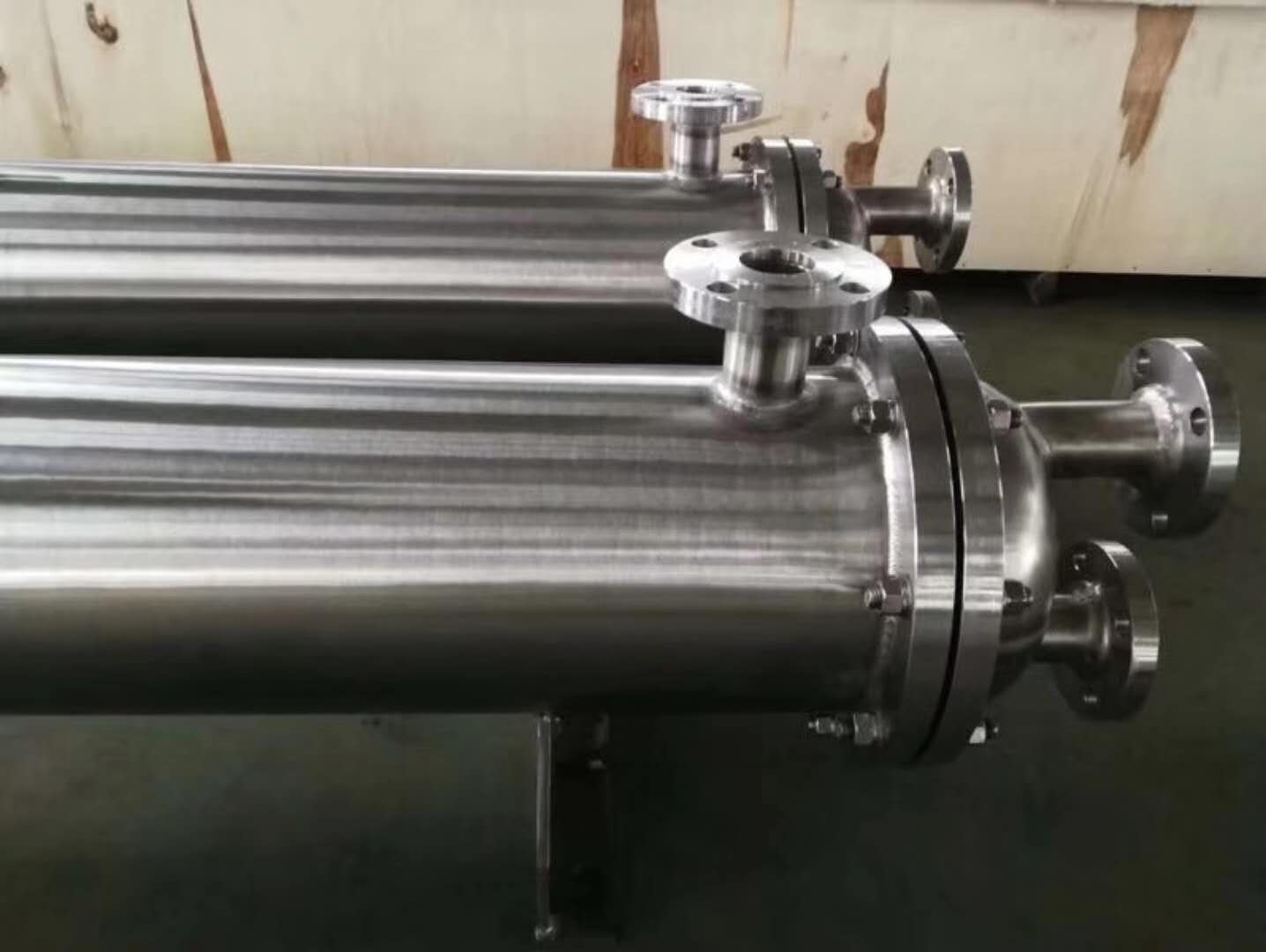
Stainless steel heat exchangers are made from stainless material, resist oxidation well and are hygienic, so they are widely used in food, pharmaceutical, heating, domestic water and air-conditioning return water applications. Stainless steel transfers heat better than conventional carbon steel and lasts longer.
How to remove fouling
Chemical cleaning circulates a chemical solution through the exchanger so that deposits on the plate surface dissolve and are carried away. It requires no dismantling, simplifies the cleaning procedure and reduces labour. The corrugation of the plates promotes vigorous turbulence, which helps dissolve the deposit — chemical cleaning is therefore the preferred method.
Mechanical cleaning brushes the plate surface by hand. It is direct, but hard, thick deposits are difficult to remove completely; in that case use mechanical cleaning afterwards to remove the remaining layer and keep the plates clean.
Points to watch when cleaning
1. During chemical cleaning the solution must keep a certain flow velocity — generally 1 m/s — to increase turbulence.
2. Use a different cleaning solution for each type of deposit. Besides the usual dilute soda ash solution, use a 5% nitric acid solution for water scale, and a 5% hydrochloric acid solution for the deposit formed in soda ash production.
3. Never use a carbon steel brush on stainless plates during mechanical cleaning — it accelerates corrosion — and do not scratch or deform the plate surface.
4. Rinse the plates with clean water and dry them after cleaning; store them so that they cannot deform.